Top 10 Articles of 2025, #10: Connections Make Smiles for The Campbell’s Company

The #10 most clicked article of 2025: Meeting soaring demand for Goldfish crackers means bringing people, companies, communities, and even buildings, together for the benefit of all.

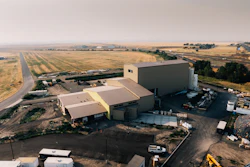
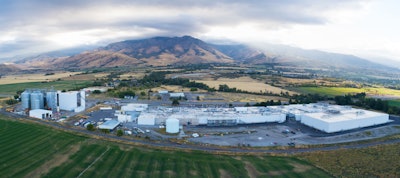
The Campbell's Company plant in Richmond, Utah was dubbed “Project Finn,” named after the loveable fish that makes Goldfish crackers so memorable.
Image courtesy of The Campbell's Company

Every food and beverage manufacturing facility has a soul. Sometimes it’s a reflection of a company’s character or a reflection of the people who work there and the culture that’s been created. Figuring out what exactly it is that defines a facility can sometimes be a challenge, but not in the case of the Richmond, Utah facility for The Campbell’s Company. How it has been able to improve throughput while saving money and still give back to the community shows how Campbell’s values were embedded in the design from the very start.

Rising demand for Goldfish in the western portion of the country, especially California and Texas, led to the upgrade of the Utah facility.Rising demand for Goldfish in the western portion of the country, especially California and Texas, led to the upgrade of the Utah facility.Image courtesy of The Campbell's CompanyThe Richmond, Utah bakery produces Pepperidge Farm’s iconic Goldfish crackers as well as cookies. The 400,000-sq-ft facility has been a part of northern Utah’s Cache Valley since 1974 and employs approximately 450 people. Goldfish are produced at other Campbell’s locations in the Midwest and eastern part of the country. But with consumption of Goldfish on the rise in the western portion of the country, especially California and Texas, the strategic decision was made to upgrade the Utah facility.

Approximately $160 million was invested to remodel portions of the facility, and add a new line and a new warehouse that would total 107,382 sq ft of new space. Additionally, an onsite flour mill that’s separately owned and operated was also built. The new line adds an extra 50% of production capability to the facility, which means it can produce more than 5 million Goldfish per hour, or 1,500 Goldfish every second. The project was dubbed “Project Finn,” named after the loveable smiling fish that makes the crackers so memorable.
READ THE FULL ARTICLE HERE

The future of food plant maintenance is remote
Remote monitoring and access are reshaping how plants prevent downtime and protect food safety. See how.
Read More
The future of food plant maintenance is remote
Hot fill to aseptic: what changed at PACK EXPO
Filling speeds, seal integrity, contamination control — our editors found the liquid foods innovations that matter. See what's new and get ahead of the competition. Download your free report now. 
FREE DOWNLOAD
Hot fill to aseptic: what changed at PACK EXPO