- Coca-Cola is currently only using 14% reusable packaging
- Coca-Cola pledged to reach 25% reusable packaging by 2030
- Oceana wants Coca-Cola to pledge to improve its rate and disclose how
According to a recent release from Oceana, Coca-Cola has reported that the percentage of its total beverage volume sold in reusable packaging in 2023 remained at 14%, unchanged from the previous year. This update comes two years after the company pledged to reach 25% reusable packaging by 2030, a nearly 10-percentage point decrease from its 2021 levels. The lack of progress follows a 2-percentage point decrease in reuse from 2020 to 2022, and declining sales of beverages in reusable packaging reported by most of the company's largest bottlers earlier this year.
Oceana has called on Coca-Cola to disclose its plan for meeting its reuse goal by the 2030 deadline. The environmental organization highlighted the company's recent issues at the Paris 2024 Olympics, where millions of servings of beverages were poured into reusable cups from single-use plastic bottles, leading to widespread criticism.
“The numbers in the company’s recent ‘Environmental Update’ make it clear — Coca-Cola is not on track to meet its reuse goal, which is terrible news for the oceans,” said Oceana’s Senior Vice President Matt Littlejohn. He emphasized the need for Coca-Cola to outline how it will achieve its 25% goal by 2030, noting that more reusable packaging would result in less single-use plastic waste.
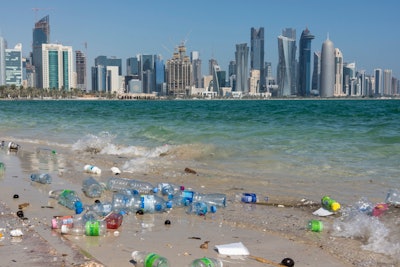
Oceana estimates that if Coca-Cola meets its commitment, the company could avoid producing the equivalent of over 100 billion 500ml single-use plastic bottles and cups. Based on global rates of aquatic plastic pollution, approximately 8.5 to 14.7 billion plastic bottles and cups could be prevented from reaching waterways and seas. According to the Break Free From Plastic Brand Audit, Coca-Cola has been identified as the world’s top plastic polluter for the last six years.
Almost all of Coca-Cola’s major bottlers, which account for nearly half of the company’s sales, reported reusable packaging levels below those when it first committed in 2022. Notably, Coca-Cola FEMSA and Arca Continental, the two largest bottlers of refillable bottles in the Coca-Cola system, have adopted goals below their original percentage shares reported when the pledge was first made.
Coca-Cola FEMSA, responsible for nearly one-quarter of Coca-Cola's worldwide reusable sales in 2023, reported a decline in its reusable share from 34% in 2021 to 32% in 2023.
Arca Continental, which accounted for more than 10% of Coca-Cola's reusable sales in 2023, reported a decline from 26% in 2021 to 22.7% in 2023. The company has also set a 25% reusable packaging goal by 2030, one percentage point lower than its 2021 share.
Coca-Cola Hellenic Bottling Company (Coca-Cola HBC), responsible for more than 5% of Coca-Cola's reusable sales in 2023, reported a slight decline in its reusable share from 13.6% in 2021 to 13.3% in 2023, excluding recently acquired operations in Egypt.
Coca-Cola Europacific Partners (CCEP), the largest bottler of Coca-Cola products globally, reported a slight increase in its share of reusable packaging from 10.4% in 2021 to 11.4% in 2023. However, CCEP has made no public commitment to increasing reusable packaging further.
The stagnation in Coca-Cola's reusable packaging efforts raises concerns about the company's ability to meet its 2030 goals. It highlights the need for a clear and actionable plan to address these challenges.