World demand for caps and closures is projected to increase 5.6% per year to $58 billion in 2019 according to Cleveland-based industry research firm The Freedonia Group, Inc.
In its new study, “World Caps & Closures,” Freedonia notes that in unit terms, demand is expected to rise 4% annually to 2.2 trillion. It says that although the majority of cap and closure demand in unit terms is for low-cost commodity types such as plastic screw caps and metal crowns, market value growth will be driven by the growing use of more sophisticated closure products in packaging for pharmaceuticals and beauty products.
While gains in the developing world will generally be faster than those in developed markets, growth opportunities will also exist in the large U.S. and West European markets.
Beverages account for nearly two-thirds of global cap and closure demand—and a larger share than that in many national markets. Beer, carbonated soft drinks (CSD), and bottled water are the largest segments. While global beer production is advancing slowly and CSD consumption is declining in many areas, bottled water consumption will continue to increase in most parts of the world, primarily benefiting plastic caps used on PET bottles.
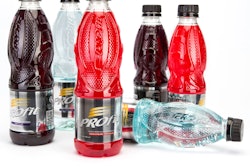
According to Freedonia Analyst Mike Richardson, “Newer beverage categories including ready-to-drink tea and coffee, sports drinks, and other healthy beverage alternatives will lift overall demand for beverage closures.”
The wine segment is one of the most dynamic despite sluggish growth in global wine production. Once dominated by cork stoppers, the closure product mix for wine has diversified significantly in the past decade or two. Metal screw caps have become a leading option, particularly for white wines and wines that are intended for immediate consumption. Synthetic corks established a market presence as a lower-cost option to natural corks, although this advantage was lost due to the subsequent development of lower-priced technical corks.
The food and pharmaceutical markets are smaller outlets for caps and closures than the beverage market, but both will offer above-average growth opportunities. In the food market, value gains will be driven by growing use of dispensing caps and other higher priced closures. Metal closures will retain an appreciable market presence due to their continued use with glass food containers.
Growth in the pharmaceutical market will be boosted by increased pharmaceutical production and regulatory changes favoring value added child resistant and senior friendly closures.
World Caps & Closures (published 04/2015, 464 pages) is available for $6,500 by contacting Corinne Gangloff by phone 440.684.9600 or e-mail [email protected].