See What’s Possible in Food Packaging & Processing—Register Now & Save!
Explore tech from 2,600 exhibitors & gain insights from 150+ free educational sessions—all at North America’s largest packaging & processing event.
REGISTER NOW & SAVE

Portola Packaging Inc: Plug-seal closure line

High-density polyethylene line suitable for hot-fill, aseptic beverage packaging applications, including low-acid nutraceuticals.

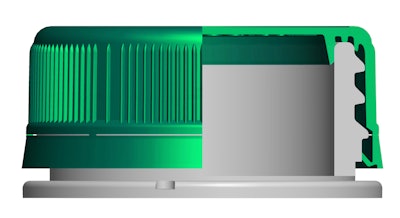
Portola GreenLyte
Portola GreenLyte

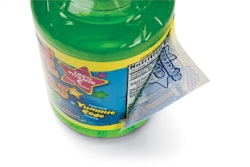
Portola Packaging, Inc. introduces GreenLyte™, a line of plug-seal, high-density polyethylene (HDPE) 38-mm closures for single and multiserve, hot-fill and aseptic beverage packaging applications. 

GreenLyte™ one-piece closures represent a cost-effective, performance-driven alternative to traditional two-piece (closure plus liner) polypropylene (PP) types typically used for juices, ready-to-drink teas, isotonics, enhanced waters, low-acid nutraceuticals, and high-end, aseptic-filled beverage products.

Because the GreenLyte line is made from HDPE, it is less expensive than volatility-prone PP resins, from which most two-piece closures are made. 

GreenLyte plug-seal closures also offer multiple production line efficiencies. Unlike two-piece closures, which usually require that the TPE liner be steamed in order to achieve proper application, this step is not necessary with Portola’s linerless GreenLyte line. Additionally, the seal design and low coefficient of friction facilitates application over a range of capper settings.

See What’s Possible in Food Manufacturing at PACK EXPO International
Explore new machinery & materials from 2,600 exhibitors. Gain insights from 150+ free educational sessions. Find solutions to enhance quality & protect your brand at North America’s largest packaging & processing event for food, beverage & beyond.
Text (32 characters max) REGISTER NOW & SAVE
See What’s Possible in Food Manufacturing at PACK EXPO International
The future of food plant maintenance is remote
Remote monitoring and access are reshaping how plants prevent downtime and protect food safety. See how.
Read More
The future of food plant maintenance is remote