This content was written and submitted by the supplier. It has only been modified to comply with this publication’s space and style.
P&P Optica (PPO), an expert in automated food inspection technology, unveils its high-precision bacon grading solution.
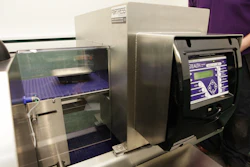
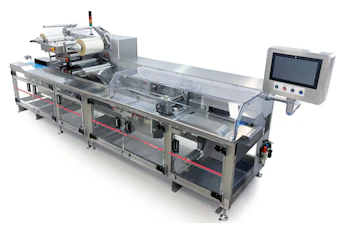
Building on the success of PPO’s modular inspection platform—designed to be installed at critical risk points throughout existing processing lines—this application specifically targets the complex challenges of bacon processors.
The PPO bacon grading solution features a suite of advanced capabilities, including:
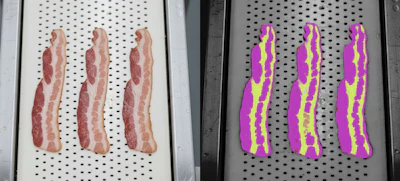
- Precision Measurement: Real-time analysis of length, width, shape, and color for every individual strip.
- Cook Level Assessment: Advanced sensors determine the cook level of each slice, automatically identifying and rejecting over- or under-cooked products.
- Strip-by-Strip Rejection: High-speed communication with rejection mechanisms ensures only product meeting exact standards continues down the line.
- Selectable Programs: Software flexibility allows processors to instantly toggle between different customer specifications or product tiers.
“By automating bacon grading at the strip-by-strip level, we’re providing processors with a level of accuracy and data that human inspection simply can’t match,” said Olga Pawluczyk, CEO of P&P Optica. “PPO’s solution allows for a limited footprint and highly flexible implementation, meaning processors can improve their consistency and reduce both product waste and labor costs without a total line redesign.”
The PPO bacon grading solution addresses three primary industry pain points:
- Reduction in Costs: Automating the grading process significantly reduces the reliance on manual inspection, addressing labor shortages and lowering operational overhead. PPO’s solution goes even further: inspection and rejection of individual strips addresses the significant yield loss that often accompanies manual inspection.
- Increased Consistency and Accuracy: Unlike human eyes, the system provides objective, repeatable grading based on precise digital parameters, eliminating variability between shifts.
- Flexible Implementation: The modular design is built for the modern plant, offering a small footprint that fits into existing lines where space is at a premium.