Beverage companies plan moderate to significant increases in packaging equipment investment over the next three years, driven by growing consumer demand for diverse products, expanded co-packer operations, and the need to replace aging infrastructure.
- Beverage companies expect moderate to significant increases in packaging machinery investment through 2027
- Growing consumer demand is driving need for diverse beverage formats and sizes, from sleek cans to mini cans
- Co-packers are expanding to support new brands and rising production demands
- Companies must replace aging equipment where parts are no longer available to remain competitive
- Research based on survey of CPG companies and contract packagers conducted Nov. 2024-Jan. 2025
Representatives from beverage companies anticipate a moderate to significant increase in machinery investment over the next three years, and industry professionals have three reasons why they believe the investment will occur.
That’s according to PMMI Business Intelligence’s “Beverage Industry Packaging Trends,” a report done in collaboration with Advantage Research to provide PMMI member companies and the broader industry with insights into beverage packaging trends that will impact the packaging and processing industry. The research stems from a quantitative online survey conducted from Nov. 21, 2024, to Jan. 21, 2025, and fifteen in-depth interviews conducted between Dec. 2024 and Jan. 2025 among CPG companies and contract packagers in the beverage industry.
First, interview participants shared that growing consumer demand and interest are driving the need for more diverse beverage products and packaging sizes. This will lead to an overall rise in the formats of beverages being packaged over the next two to three years.
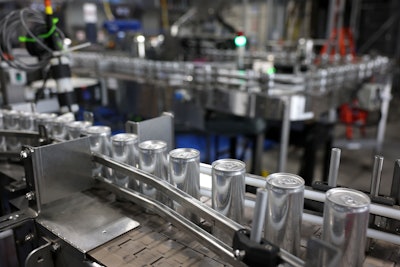
“There’s a lot of investment that’s required to upgrade or update based on the SKUs that we’re going to run. And a lot of that is due to trends that we’re seeing in the market. Just because you have a can line today that can produce a 12-oz standard can, that does not mean that can line can produce 12-oz sleek cans, 16-oz cans, or mini cans. I see investment increasing over the next two to three years, particularly based on demand for new and innovative products that may require a different format but also based on consumer trends,” said a director of robotic solutions and safety at a global beverage company.
Second, co-packers seeking to meet rising demand and support new brands will lead to expanded production and contribute to increased investment. An owner of a beverage manufacturer and co-packer stated that co-packers who built their business on their own brand production will find benefit in helping smaller brands out.
Finally, beverage manufacturers and co-packers will need to improve and replace infrastructure to ensure they remain efficient and competitive in an evolving market. Many companies in the soft drink industry must invest in new equipment, as some parts of machinery have aged to the point of no longer being available, according to a director of engineering at a global beverage company.
SOURCE: PMMI Business Intelligence: Beverage Industry Packaging Trends
For more insights from PMMI’s Business Intelligence team, find reports, including “2024 Snack Foods Packaging Trends” and “2024 Technology & Workforce: Using Smart Technologies to Bridge the Skills Gap” at pmmi.org/business-intelligence.
Download the FREE report below.