Create a free ProFood World account to continue reading
Royal Avebe Unlocks Electrification Gains Without Grid Expansion
Cooperative partners with Schneider Electric on a holistic approach that combines electrification with advanced digital control and real-time energy intelligence.
Royal Avebe implemented an integrated energy and automation strategy that delivered measurable sustainability and operational benefits without requiring additional grid capacity at its Foxhol facility.
Schneider Electric
Royal Avebe successfully electrified production at its Foxhol facility without requiring grid expansion by combining industrial electrification with integrated digital energy management and real-time load optimization. This approach demonstrates that manufacturers can achieve decarbonization goals and operational efficiency even within existing grid constraints.
Royal Avebe installed a new industrial electric boiler and eliminated fossil-fuel heating while staying within contracted grid limits through dynamic load management
The integrated solution uses three core pillars: unified power and process control, real-time energy visibility, and dynamic load management across 1,000+ data points
Results include reduced emissions aligned with Avebe's 30% reduction target by 2030, improved energy efficiency, and enhanced operational flexibility
The facility operates as an active energy prosumer, shifting loads during peak demand and absorbing excess renewable energy to support grid stability
This scalable model enables food and beverage manufacturers to progress toward sustainability goals today rather than waiting years for grid infrastructure expansion
Royal Avebe, working in partnership with Schneider Electric, has demonstrated how food and ingredient manufacturers can move forward with electrification—even amid severe grid constraints. At its Foxhol production facility in the Netherlands, the farmer‑owned starch and plant‑protein cooperative implemented an integrated energy and automation strategy that delivered measurable sustainability and operational benefits without requiring additional grid capacity.
The challenge: decarbonization in a constrained energy landscape
Across Europe, grid congestion has become a major barrier to industrial growth and decarbonization, with long wait times for new or upgraded connections.
For Avebe, this created a pressing challenge: How to electrify production processes and reduce emissions while operating within the limits of its existing grid connection.
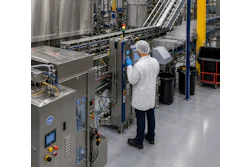
Royal Avebe makes a range of ingredients created from potatoes the company grows itself.Retan/Adobe StockThe Strategy: Integrated Electrification and Digital Energy Management
To address this, Avebe partnered with Schneider Electric to rethink energy use at the plant level. The result was a holistic approach combining electrification with advanced digital control and real-time energy intelligence.
The solution was built on three core pillars:
Unified power and process control
Real-time energy visibility
Dynamic load management
At the Foxhol site, Schneider Electric deployed a fully integrated architecture that connects power systems, process operations, and energy data into a single operational view. Key solutions include:
EcoStruxure Foxboro DCS for unified process control
EcoStruxure Electrodynamic Controller for real-time load orchestration
EcoStruxure Control HMI for operator visibility and intervention
EcoStruxure EPAS for engineering and system configuration
AVEVA PI System integration, consolidating more than 1,000 data points from across the facility
This digital foundation enables the plant to continuously monitor and adjust energy usage, ensuring operations stay within contracted limits while optimizing performance.
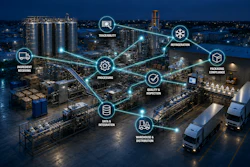
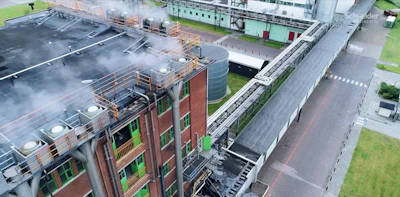
Europe's electricity grid congestion has become one of the biggest obstacles to industrial decarbonization.Schneider ElectricThe results: immediate gains without waiting for the grid
Using this approach, Avebe successfully electrified a portion of its production by installing a new industrial electric boiler and eliminating fossil-fuel-based heating—without increasing its grid connection.
The system dynamically shifts loads during periods of high demand and absorbs excess renewable energy when available, allowing the facility to act as an active energy prosumer while supporting grid stability.
For Avebe, the benefits are both immediate and long-term:
Reduced emissions aligned with a 30% reduction target by 2030
Improved energy efficiency through continuous optimization
Greater operational flexibility in response to grid conditions
Enhanced resilience in a constrained energy market
Readiness for future integration of renewables and advanced monitoring
"Further electrifying our production processes is an important step in making our operations more sustainable,” says Joyce de Vries-Pieterman, Director of Communication & Public Affairs at Avebe. “Together with Schneider Electric, we are demonstrating that it is possible to make concrete progress toward future-proof and more energy-efficient production within the limits of what our existing grid connection allows.”
A model for food and beverage manufacturers
Avebe’s success illustrates how processors can take control of their energy transition despite infrastructure constraints. By combining electrification with digital energy management, the company has created a scalable model that enables progress today—rather than waiting years for grid expansion.
For manufacturers facing similar challenges, the takeaway is clear: smarter energy strategies can unlock both sustainability and competitiveness, even within existing limits.
See What’s Possible in Food Manufacturing at PACK EXPO International
Explore new machinery & materials from 2,700 exhibitors. Gain insights from 150+ free educational sessions. Find solutions to enhance quality & protect your brand at North America’s largest packaging & processing event for food, beverage & beyond.
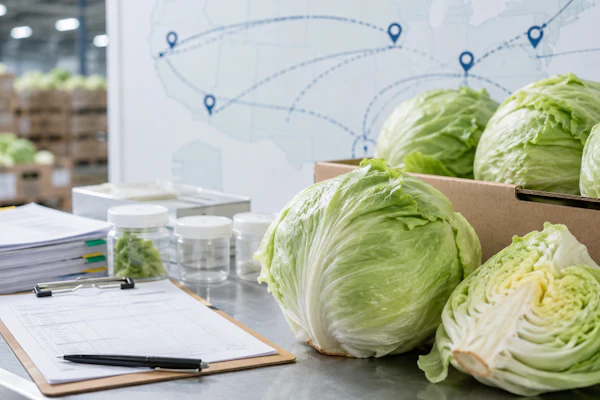
 Royal Avebe makes a range of ingredients created from potatoes the company grows itself.Retan/Adobe Stock
 Royal Avebe makes a range of ingredients created from potatoes the company grows itself.Retan/Adobe Stock
 Europe's electricity grid congestion has become one of the biggest obstacles to industrial decarbonization.Schneider Electric