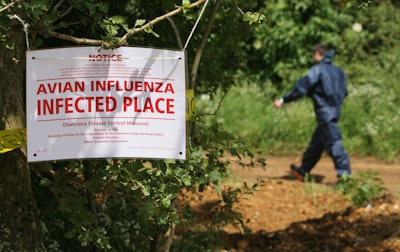
H5N1, also known as the H5 Bird Flu, is undergoing a multi-state outbreak in dairy cattle and is sporadic in poultry flocks, according to the CDC. Thus, the FDA has introduced new requirements for cat and dog food producers who use raw ingredients in their products.
The agency has determined that manufacturers covered by the Food Safety Modernization Act Preventive Controls for Animal Food (PCAF) rule who use uncooked or unpasteurized materials derived from poultry or cattle must reanalyze their food safety plans to include Highly Pathogenic Avian Influenza virus (specifically H5N1) as a known or reasonably foreseeable hazard, per a Jan. 17 announcement.
The FDA says the update is designed to help cat and dog food manufacturers stay updated on new hazards associated with H5N1. Scientific information continues to evolve, but evidence shows cats and dogs can contract H5N1 through consumption of infected poultry or cattle that have not undergone a processing step capable of inactivating the virus, the agency states. Such processes include pasteurization, cooking, or canning.
Under the PCAF rule, manufacturers must develop a food safety plan that involves identification and evaluation of known or reasonably foreseeable hazards for each type of animal food processed at their facility. The FDA is requiring producers to reanalyze their plans in the context of H5N1 due to domestic cat illnesses and deaths.
The FDA says it is tracking cases associated with domestic and wild cats eating contaminated food products in California, Colorado, Oregon, and Washington State.
The agency encourages several practices for pet food manufacturers as information on H5N1’s transmission continues to become available. Practices include seeking ingredients from healthy flocks or herds and taking processing steps, such as heat treatment, that are capable of inactivating viruses.