Ever wonder what happens to those giant butter sculptures that are routinely on display at state fairs? Well, in the case of an 800-lb piece of art installed at the New York State Fairgrounds, it was a matter of waste not, want not.
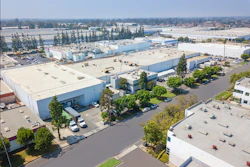
The American Dairy Association North East, Cornell Cooperative Extension Master Gardeners, and Noblehurst Farms weren’t about to toss the butter sculpture. So, since it wasn’t fit for human consumption, they dismantled it and returned to western New York, near where it was created, to be recycled at Noblehurst Farms.
There, the butter will be combined with other food waste from local food manufacturers and educational institutions before being run through the farm’s digester, which will break it down and produce enough electricity to power the farm, its on-site creamery, and approximately 350 homes for a year.
 | Cargill Launches Methodology to Measure Cows' Methane Emissions |
“We will mix the butter sculpture with other food waste and convert it to energy over the course of about 28 days,” says Jack Klapper, co-owner of Noblehurst Farms. “That energy will be turned into electricity which will power homes in the local community.”
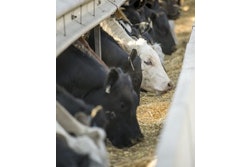
In recent years, Noblehurst Farms has been recognized nationally for its achievements in sustainability and community partnerships to divert food waste from local landfills. The result of Noblehurst’s efforts have led to diverting 200 tons of food waste from local landfills on a weekly basis.
“Our awareness of the role that dairy farmers are playing in addressing the global food waste problem has definitely heightened,” says Klapper. “We are hopeful that our innovative food waste reduction practices will bring additional value as New York State focuses on reducing methane and sequestering carbon in the coming years.”