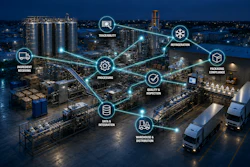
Food and beverage companies must take direct responsibility for their entire supply chains, including third-party manufacturers, as consumers increasingly demand ethical labor practices and sustainability. Brand owners can no longer distance themselves from supplier violations and must ensure all operations meet stated standards.
- Major food companies including JBS, Cargill, and Tyson have been linked to labor violations involving minors in hazardous overnight shifts at meat processing facilities.
- Third-party manufacturers are being used by brands to distance themselves from violations, but consumers increasingly reject this accountability gap.
- Investigations have tied migrant child labor to dangerous jobs across every U.S. state, affecting popular products like Skittles, Oreos, and Cheetos.
- Economic pressure from brand owners refusing to pay higher supplier costs directly incentivizes dangerous labor practices and corner-cutting by third parties.
- Consumer accountability demands mean supply chain transparency and direct responsibility are now essential for brand reputation and market viability.
The food and beverage industry is being held increasingly accountable by consumers—with more and more of them choosing products, at least in part, based on what they see as more sustainable, responsible practices. It is within this climate of accountability that I find myself continually surprised by the ways that food and beverage companies are not being responsible members of society.
Amid reports of food and beverage producers taking advantage of inflation to milk more profits from consumers, their suppliers seem nonetheless pressured to cut costs everywhere they can. Examples of manufacturers being caught out employing minors in some of the most dangerous jobs on the plant floor often seem like anomalies. But they’re coming up too often—and appear to be too systemic—to brush off as isolated incidents.
Reports late last year of one of the nation’s largest food safety sanitation services employing more than 100 teenagers in hazardous, overnight shifts at meat processing facilities was, in itself, too large to ignore. The case with Packers Sanitation Services Inc. (PSSI) involved plants run by big names in meat processing, including JBS, Cargill, and Tyson. But it’s been followed by reports of many more infractions, including Monogram Meat Snacks, which had been employing migrant children for years. Investigations by the New York Times has tied exploitation of migrant children to dangerous jobs in every state of our country, making products like Skittles, Oreos, Cheetos, Nature Valley granola bars—the list goes on and on.
In many cases, the food companies are using third-party manufacturers, thereby disassociating themselves from the violations. Such was the case with an extensive report from the AP about prison labor doing some of the dirtiest, most dangerous jobs with little to no training or rights. And such was the case when dangerous levels of lead contamination were introduced into apple sauce by third parties in Ecuador, likely adulterating cinnamon with lead to boost profits.
But distancing your operations from third-party suppliers isn’t going to fly as consumers look for accountability. As UCLA professor Christopher Tang pointed out in a recent interview, these sorts of acts are often economically motivated by brand owners refusing to pay higher prices despite higher costs. They need to be responsible for making sure they’re using services that will abide by standards that the brand owners say they follow.