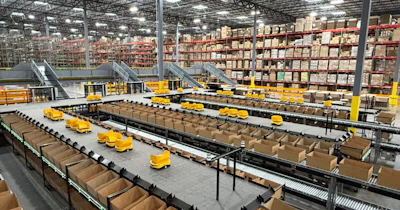
Medline deployed Pick Pack Pro, an automated fulfillment system combining proprietary batching software with specialized robotics, to manage quarterly surges in health plan OTC orders that previously strained its distribution operations.
- Pick Pack Pro batches up to 1,100 health plan orders simultaneously and separates them from Medline's main operations handling 335,000 different items
- The system integrates four technologies: Medline's batching software, tSort robots from Tompkins, automated box-sizing from Ranpak, and Trew's labeling conveyor
- The multi-million dollar investment took over one year to design and implement at Medline's Montgomery, New York distribution center
- Medline plans to expand Pick Pack Pro to more of its 45 U.S. distribution centers, consolidating all health-plan fulfillment through specialized hubs
- The expansion is expected to create new jobs at implementation sites to manage quarterly demand spikes
Key Takeaways:
- The system is designed to solve the "surge effect," a recurring supply chain bottleneck caused by a high volume of health plan members placing orders for a limited catalog of OTC items at the start of each quarter.
- Medline's approach combines its own batching software with specialized robotics from vendors Tompkins, Ranpak, and Trew, creating an integrated, end-to-end process for sorting, packing, and shipping.
- The multi-million dollar investment signals a strategic move to centralize and specialize fulfillment for insurance carrier partners, with plans to expand the system nationally and add staff at implementation sites.
Managing predictable yet sharp fluctuations in demand is a persistent challenge in supply chain logistics. For medical supply distributors like Medline, this issue materializes each quarter as thousands of health plan members simultaneously redeem benefits for a curated selection of over-the-counter (OTC) products. This surge can strain general distribution workflows designed to handle a much wider variety of items.
To address this operational bottleneck, Medline has implemented a new automated system, Pick Pack Pro, at its Montgomery, New York, distribution center. The system creates a self-contained process specifically for these high-volume, repetitive orders, separating them from the facility's main operations which handle approximately 335,000 different items.
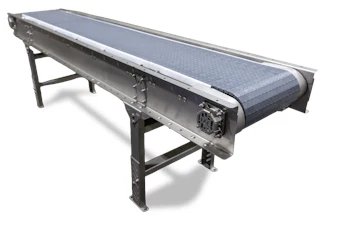
The Pick Pack Pro workflow integrates four distinct technologies. It begins with Medline's proprietary software, which batches up to 1,100 health-plan orders at once. Items are then placed on "tSort" robots from Tompkins that automatically route the correct products to individual order boxes. From there, automated machinery from Ranpak custom-sizes each box to its contents, folding and sealing it without requiring plastic filler materials. Finally, a conveyor system by Trew applies a shipping label and directs the package to the correct truck for delivery.
The development, which Medline states cost millions of dollars and took over a year to design and implement, is intended to improve service for its direct customers: the insurance carriers who administer the benefit plans.
“Innovations like Pick Pack Pro go a long way with health plans whose members depend on speed, consistency and reliability,” says Brad Mariam, Medline’s executive vice president of non-acute care sales. “By advancing fulfillment capabilities, Medline is helping the plans deliver benefits more efficiently.”
Medline plans to strategically install the Pick Pack Pro system in more of its 45 U.S. distribution centers, eventually consolidating all health-plan order fulfillment through these specialized hubs. According to the company, the consolidation of volume at these sites will require additional hiring to manage the quarterly spikes, creating new jobs in those communities.
“When we go even further and create more jobs, it helps local leaders present their community as a place of growth for other businesses and families, because they can point to a company of Medline’s size and influence choosing to invest there,” says Sean Halligan, executive vice president of supply chain.