See What’s Possible in Food Packaging & Processing—Register Now & Save!
Explore tech from 2,600 exhibitors & gain insights from 150+ free educational sessions—all at North America’s largest packaging & processing event.
REGISTER NOW & SAVE

High-style glass wine bottles

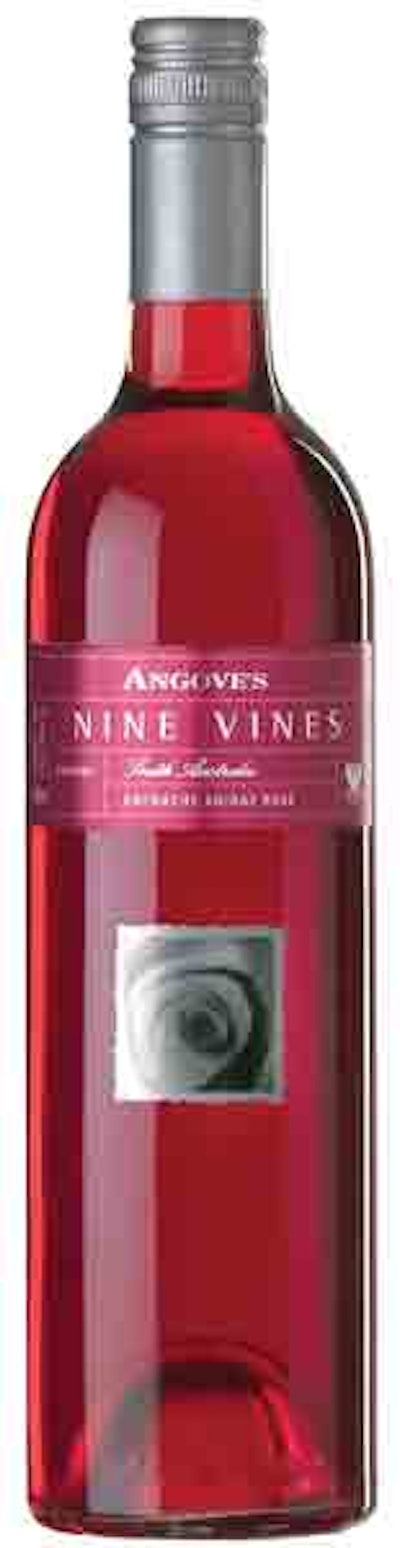
Australian vintner Angove has repackaged its Nine Vines rose wines in premium 750-mL flint glass bottles supplied by O-I (www.o-i.com), with metal screw caps from AusCap (www.auscap.net) and pressure-sensitive labels provided by Collotype (www.collotype.com).

Pw 8523 Nine Vines Rose Bottle

The stylish O-I Super Premium Claret bottles feature a long body, deep punt (convex indentation in bottom of bottle), and BVS (Bague Verre Stelcap) neck finish, plus slightly flint-hued glass to highlight the wine’s quality and vibrant pink color.

The labels are offset-printed in multiple colors on metallized paper, then varnished with a special pearlized coating to produce a luxurious look.

Angove marketing manager Matt Redin comments, “we needed a bottle with a more premium appearance—something that would make our customers feel as though they were picking up a high-end bottle of perfume. This bottle fits the bill perfectly with greater shelf presence and appeal. There are a lot of ‘alternative’ packages, but none are yet proven to protect wine in the same way glass does.”

Metal screw caps for wine are well-accepted in Australia and represent the closure of choice for nearly half of all the wines sold there.

Angove began marketing the rose wine through major American retailers in May/June 2006, and tripled U.S. orders for 2007. Average retail price of the Nine Vines wine in the U.S. market is $14.

Hot fill to aseptic: what changed at PACK EXPO
Filling speeds, seal integrity, contamination control — our editors found the liquid foods innovations that matter. See what's new and get ahead of the competition. Download your free report now. 
FREE DOWNLOAD
Hot fill to aseptic: what changed at PACK EXPO
The future of food plant maintenance is remote
Remote monitoring and access are reshaping how plants prevent downtime and protect food safety. See how.
Read More
The future of food plant maintenance is remote