The FDA's testing of over 300 infant formula samples found the overwhelming majority contained undetectable or very low contaminant levels, confirming current safety controls work while signaling manufacturers must meet tighter future regulatory standards.
- FDA analyzed 300+ infant formula samples generating over 120,000 data points across powders, liquids, and concentrates
- Testing covered heavy metals, pesticides, PFAS, and phthalates with most products showing undetectable or minimal contaminant levels
- Agency plans to establish formal action levels for contaminants, potentially creating new compliance benchmarks and reformulation requirements
- FDA will convene major manufacturers in May to discuss modernization of oversight under Operation Stork Speed and Closer to Zero programs
- Even minimal contaminant exposure is significant for infants, requiring enhanced supply chain verification and ingredient sourcing controls
The U.S. Food and Drug Administration (FDA) has released results from the most extensive analysis to date of chemical contaminants in infant formula sold in the U.S., offering reassurance on product safety while underscoring continued regulatory focus on contaminant reduction across the category.
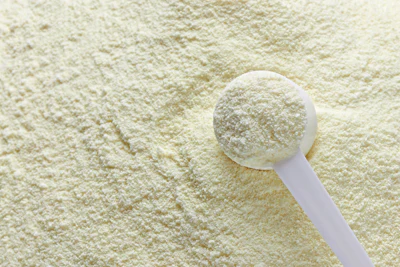
The agency evaluated more than 300 infant formula samples—spanning powders, ready-to-feed liquids, and concentrates—generating more than 120,000 data points. Testing covered heavy metals (lead, mercury, cadmium, arsenic), pesticides including glyphosate and glufosinate, PFAS, and phthalates. According to the FDA, the “overwhelming majority” of products contained either undetectable or very low levels of contaminants.
For food and beverage manufacturers, the findings reinforce that current safety controls across the infant formula supply chain are largely effective, but also highlight rising expectations for continuous improvement. Federal officials emphasized that even minimal contaminant exposure is significant for infants, signaling ongoing scrutiny of ingredient sourcing, processing controls, and supplier verification programs.
“Most products meet a high safety standard—but even small exposures matter for newborns,” says Health and Human Services Secretary Robert F. Kennedy, Jr., noting that the agency intends to hold manufacturers accountable while increasing transparency for consumers.
The FDA indicated it will expand testing efforts and continue engaging manufacturers on strategies to further reduce contaminant levels “as low as possible.” The agency is also working toward establishing formal action levels for contaminants in infant formula—an area manufacturers should monitor closely as it could translate into new compliance benchmarks and potential reformulation requirements.
The testing initiative falls under Operation Stork Speed and the FDA’s Closer to Zero program, both of which aim to minimize dietary exposure to contaminants in foods for babies and young children. In addition to ongoing surveillance, the agency plans follow-up sampling, including products introduced since the initial survey began.
From an industry perspective, the announcement signals a dual message: validation of current manufacturing practices alongside a clear push toward tighter specifications, enhanced testing protocols, and greater supply chain resilience. FDA Commissioner Marty Makary, M.D., M.P.H., emphasizes the agency’s intent to support both safety and innovation, pointing to the importance of maintaining reliable formula availability.
Looking ahead, FDA leadership says it will convene with executives from major infant formula manufacturers in May to discuss modernization of oversight and continued implementation of Operation Stork Speed, including nutrition and food safety priorities.
For manufacturers, the outcome underscores the need to stay ahead of evolving regulatory expectations, particularly around contaminant monitoring, risk assessment, and transparent data reporting.