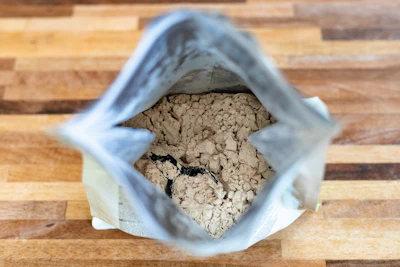
Plant-based proteins could more than double in market size by 2036 with steady growth each year, a market analysis from Future Market Insights predicts.
The market could reach $22 billion in 2026 and continue to grow with a CAGR of 8.5% to reach $49.9 billion by 2036, more than doubling in 10 years.
What’s driving plant-based protein market growth?
Behind this expected growth is growing demand for functional, application-ready protein systems, the report says. Companies seeking predictable performance during high-throughput production and reliable nutrition delivery and formulation stability are key drivers of plant-based protein demand.
The popularity of protein-enriched food and beverage formats is also shaping this market growth. Consumers are choosing protein-forward eating and plant-based options across categories. Plant-based protein isn’t just serving as a meat replacement, but also as a solution for nutrition, bakery fortification, and beverage functionality inputs. As these types of products move from novelty to staple items, manufacturers are seeking consistent performance and supply.
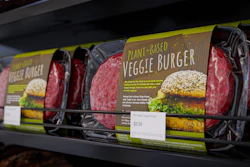
That consistency of performance is important as companies try to align plant-based proteins with their animal-based counterparts. For plant-based meat substitutes, companies want to emulate the bite, juiciness, and heat stability of real meat without driving up costs. Dairy alternatives must mimic the emulsification and mouthfeel of real milk while staying stable throughout shelf life. Sports nutrition ingredients made with plant-based protein need to balance digestibility, solubility, and clean taste, the report explains.
The plant-based protein market by segment
The plant-based protein market can be viewed by product type, form, nature, and end use, Future Market Insights explains.
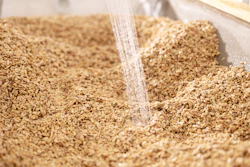
The leading product type in the 2026 plant-based protein market is soy protein, leading with a 36.4% market share ahead of product types like pea protein, wheat protein, rice protein, and more. Soy protein is the fastest growing product type during the forecast period, bolstered by a strong global supply chain, broad functionality, and common usage in nutrition and processed food.
The most popular form of plant-based protein in 2026 is isolates, accounting for 41.2% of market share. It leads ahead of concentrates, textured protein, hydrolysates, and blends. Isolates offer high protein density and tight performance control for products like beverages, nutrition powders, and engineered food.
Conventional protein sources make up 78% of market share as the leading plant-based protein nature in 2026. It leads ahead of organic products due to raw material availability, price stability, and fast scalability in manufacturing.
The leading end use of plant-based protein products is in nutritional products, taking up 20% of market share in 2026. Consumers are picking plant-based proteins in powders, ready-to-mix formats, and protein-enriched daily routines.
Read the full report from Future Market Insights to learn more about the drivers of global plant-based protein market growth.